
Reindeer Life
Throughout the Year
Reindeer life in Lapland changes throughout the year. At Taava Reindeer Farm in Rovaniemi, guests can experience these changes in every season – from the first weeks of a reindeer calf’s life and the rapid growth of new antlers in summer to the autumn rut and the reindeer’s adaptation to Arctic winter conditions.
Our local reindeer guides help guests understand what they see and what is happening with the reindeer at that time of year. Every season is a good time to experience reindeer life at Taava.
The Annual Cycle of Reindeer
Reindeer in Lapland are adapted to strong seasonal changes and Arctic conditions, and their annual cycle follows these changes. During the year, their diet, coat, antlers, behaviour and energy needs change considerably.
Summer and autumn are important periods of growth and preparation for winter. Reindeer gain weight, build fat reserves, renew their coat and grow new antlers. During winter, their activity and metabolism decrease and their digestion adapts to winter food. In spring, the cycle continues with calving and the beginning of a new period of growth.
Learn more about reindeer and reindeer herding in Finland from the Reindeer Herders’ Association.
Spring – Calving and New Growth
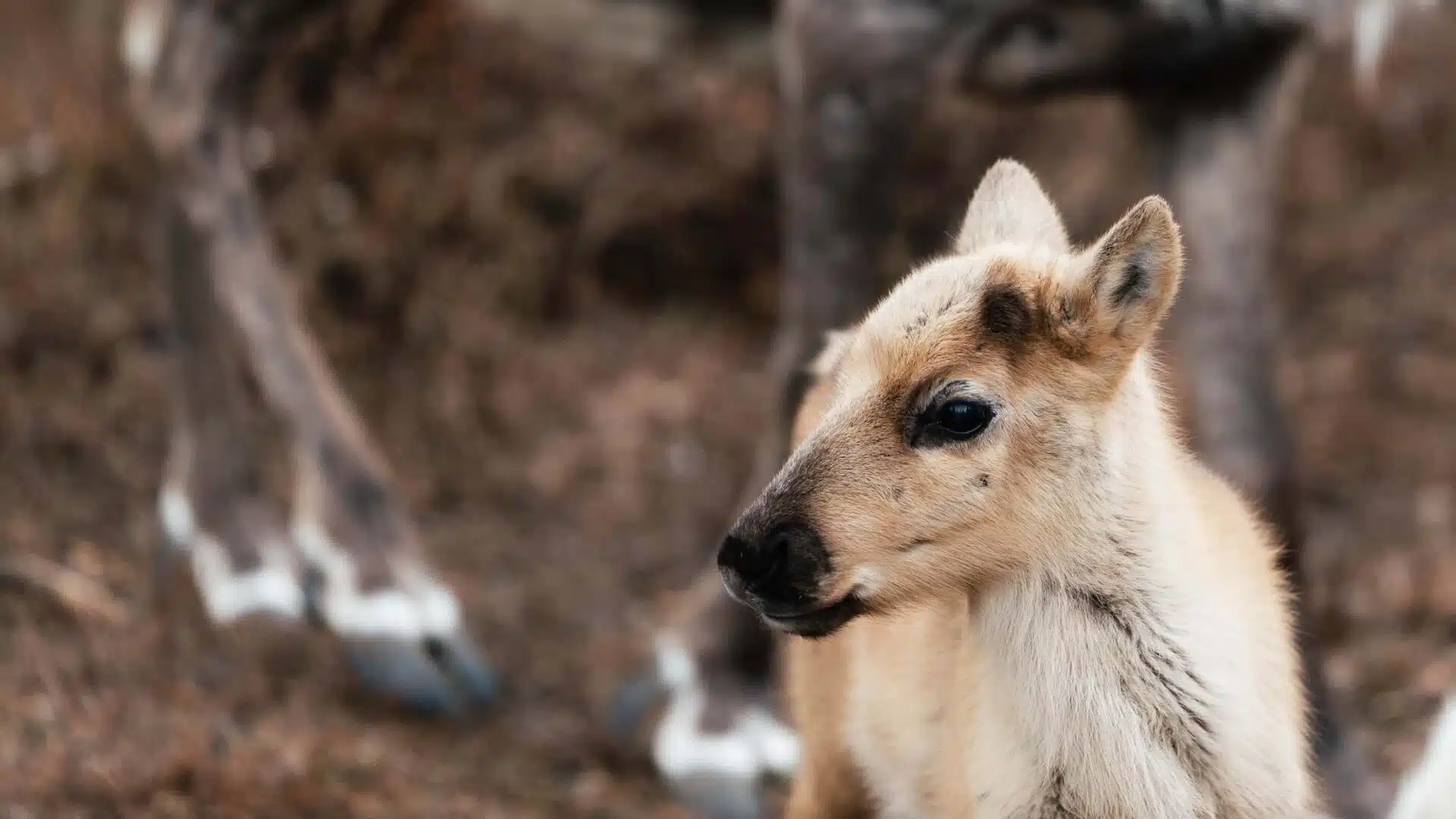
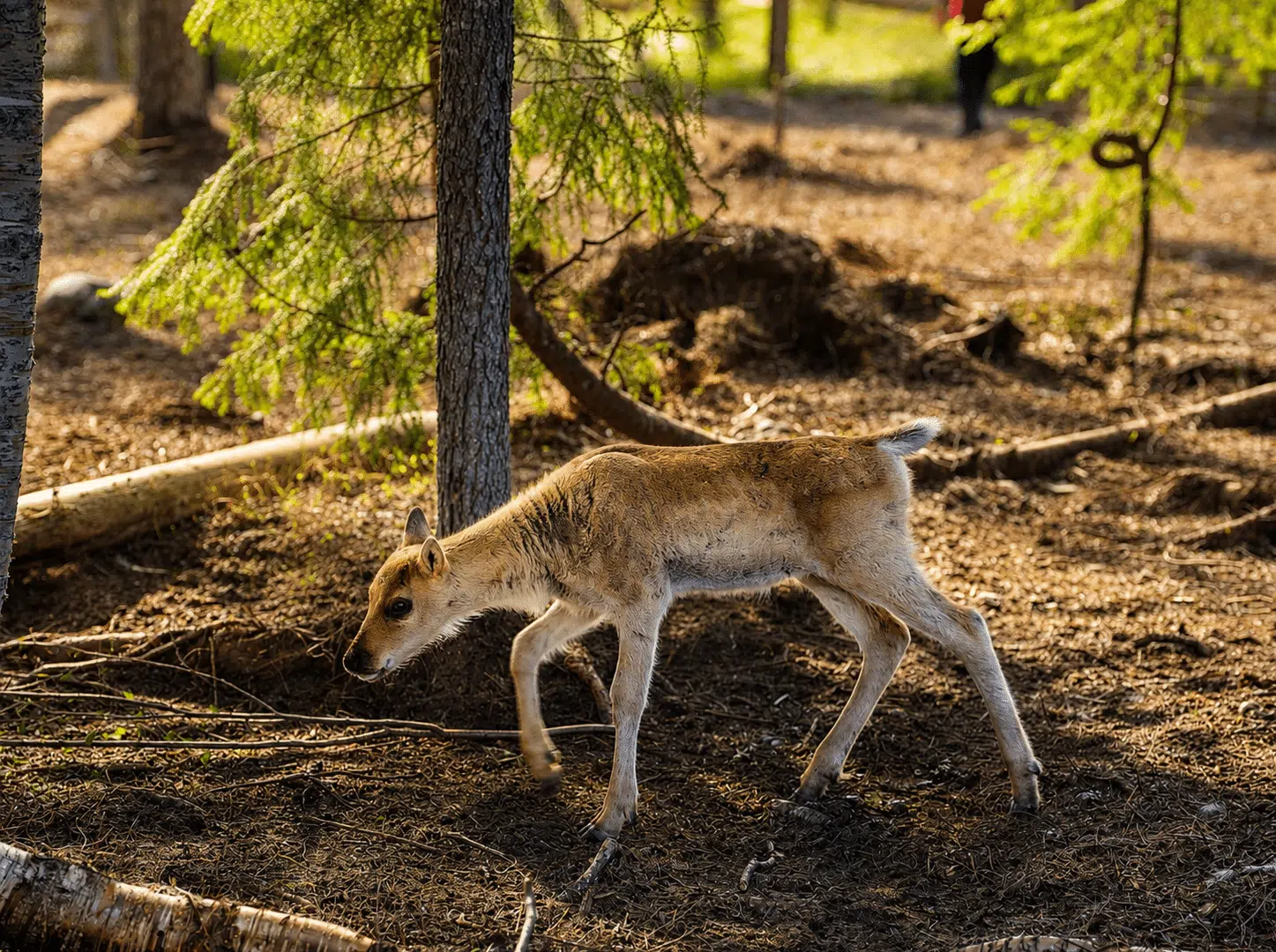
Most reindeer calves in Finland are born in May. A reindeer usually gives birth to one calf, and the first weeks of life are a period of rapid growth. Spring also marks the beginning of a new annual cycle: vegetation starts to grow, the reindeer’s diet changes and new antlers begin to develop.
At Taava Reindeer Farm, May is part of our year-round season. During a Taava Reindeer Farm Visit, guests can learn about calving and this important stage of the reindeer year from our local reindeer guides, while observing what is happening with the herd at that time.
Summer – A Season of Growth
Summer is an important period of growth for reindeer in Lapland. Calves grow quickly, reindeer change from their winter coat to a thinner summer coat, and both females and males grow a new set of antlers. With fresh vegetation widely available, summer is also an important time for reindeer to gain weight and build reserves for the coming winter.
At Taava, these seasonal changes can be seen in our reindeer throughout the summer. Guests can observe growing calves, changing coats and antlers at different stages of development, while our local reindeer guides explain what is happening and why.
Autumn – Ready for the Coming Winter
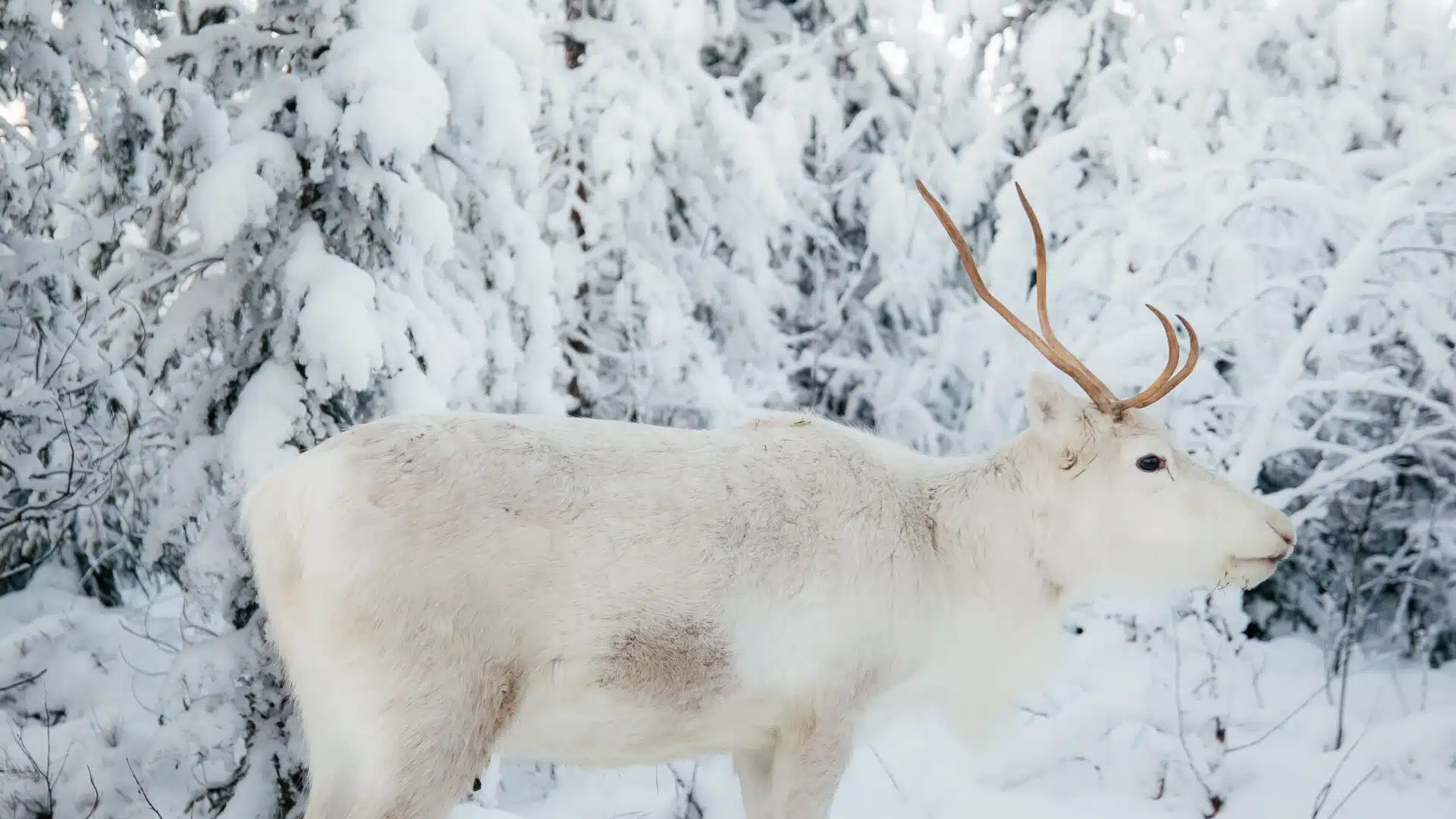
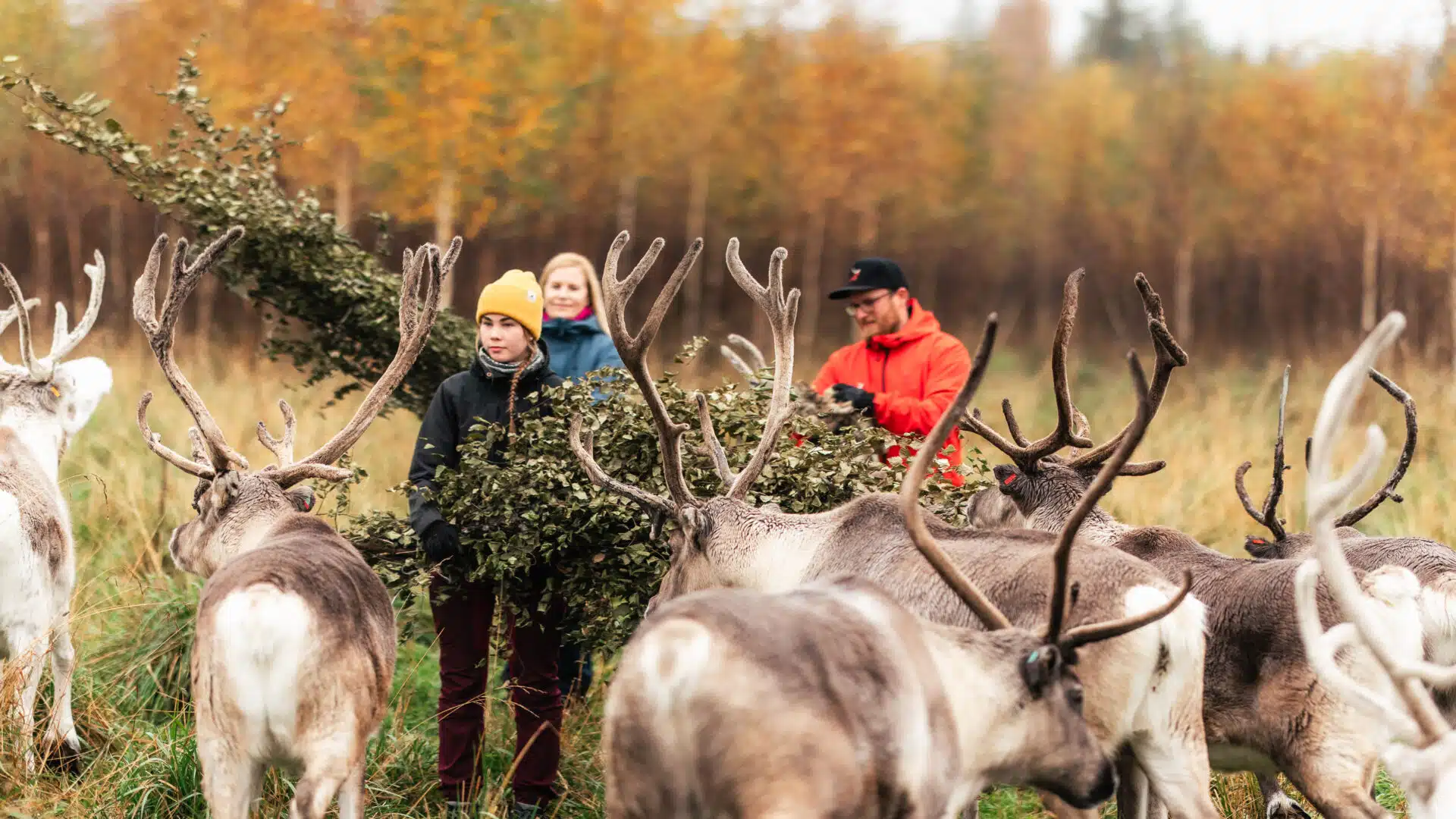
Autumn shows many of the changes that have taken place during the summer. The antlers grown over the summer have reached their full size, the coat is changing for the colder season, and reindeer continue to build the energy reserves they need for winter.
Autumn is also the reindeer mating season, or rut, an important stage in the annual cycle of reindeer. At Taava, the seasonal changes in our reindeer are easy to notice at this time of year. Their large antlers and thicker coat give them a very different appearance from summer, while our local reindeer guides can explain how reindeer prepare for the Arctic winter.
Winter – Adapted to Arctic Conditions
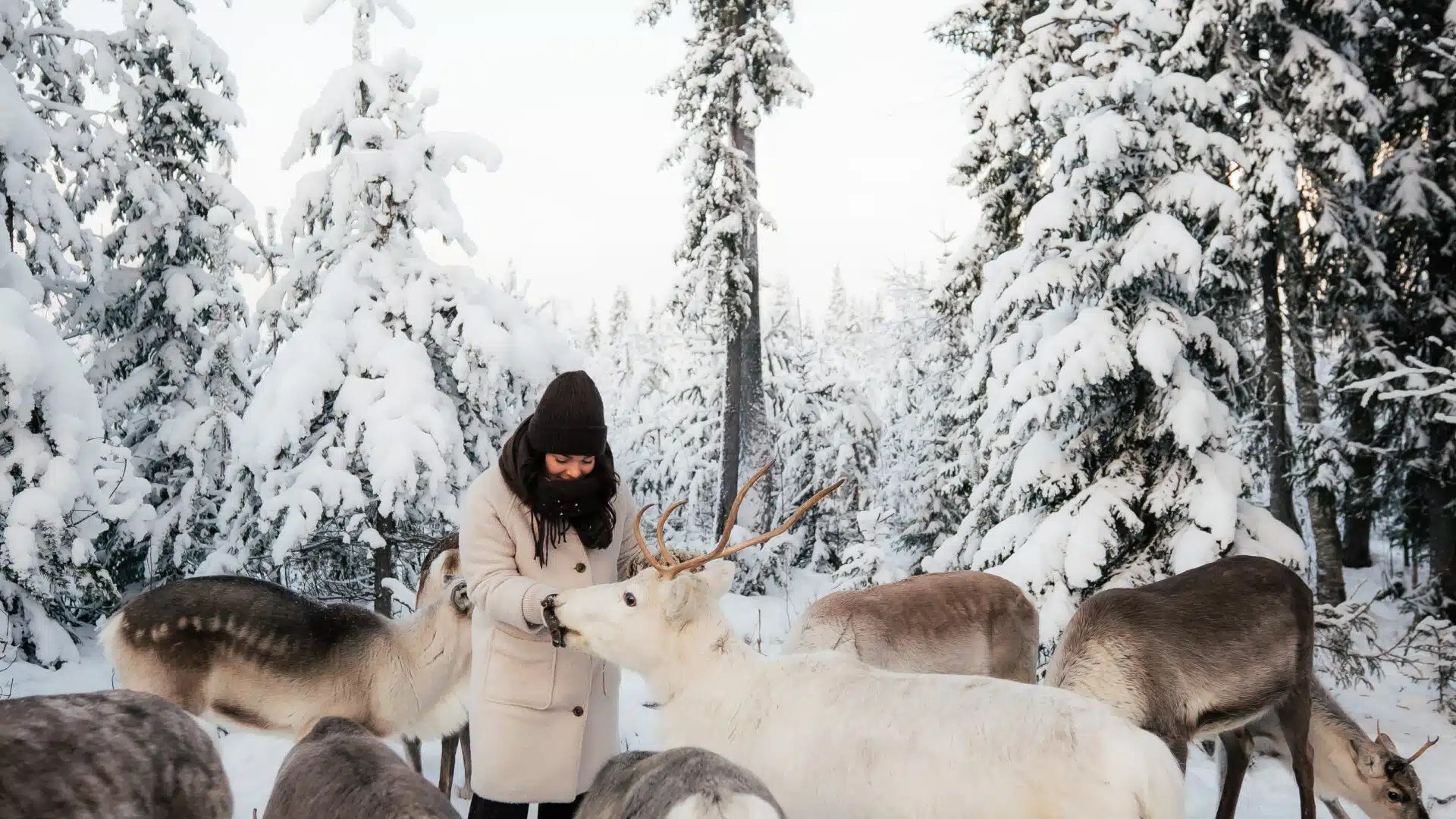
Reindeer are highly adapted to winter conditions in the North. Their thick winter coat provides effective insulation, while their activity and metabolism decrease as part of their seasonal adaptation. Their diet also changes as the availability of plants changes and snow covers the ground.
Reindeer can use their sense of smell to locate food beneath the snow and dig through the snow with their hooves to reach it. Lichens are an important part of their winter diet, alongside other available food. Winter is a season of conserving energy and living with conditions that are very different from the summer months.
At Taava, winter gives guests a chance to see these adaptations up close. Our reindeer have their full winter coat, and our local reindeer guides explain how reindeer live, feed and adapt during the Arctic winter.